

The first ABA assessment is an important step in understanding a child’s developmental strengths, needs, and areas for growth. It serves as the foundation for creating a personalized treatment plan.
Many families feel uncertain before the first assessment, but the process is designed to be supportive, collaborative, and informative—not overwhelming.
The assessment typically begins with a caregiver interview. Parents are asked about developmental history, communication skills, behavior patterns, daily routines, and current concerns. This information helps the clinical team understand the child’s environment and priorities.
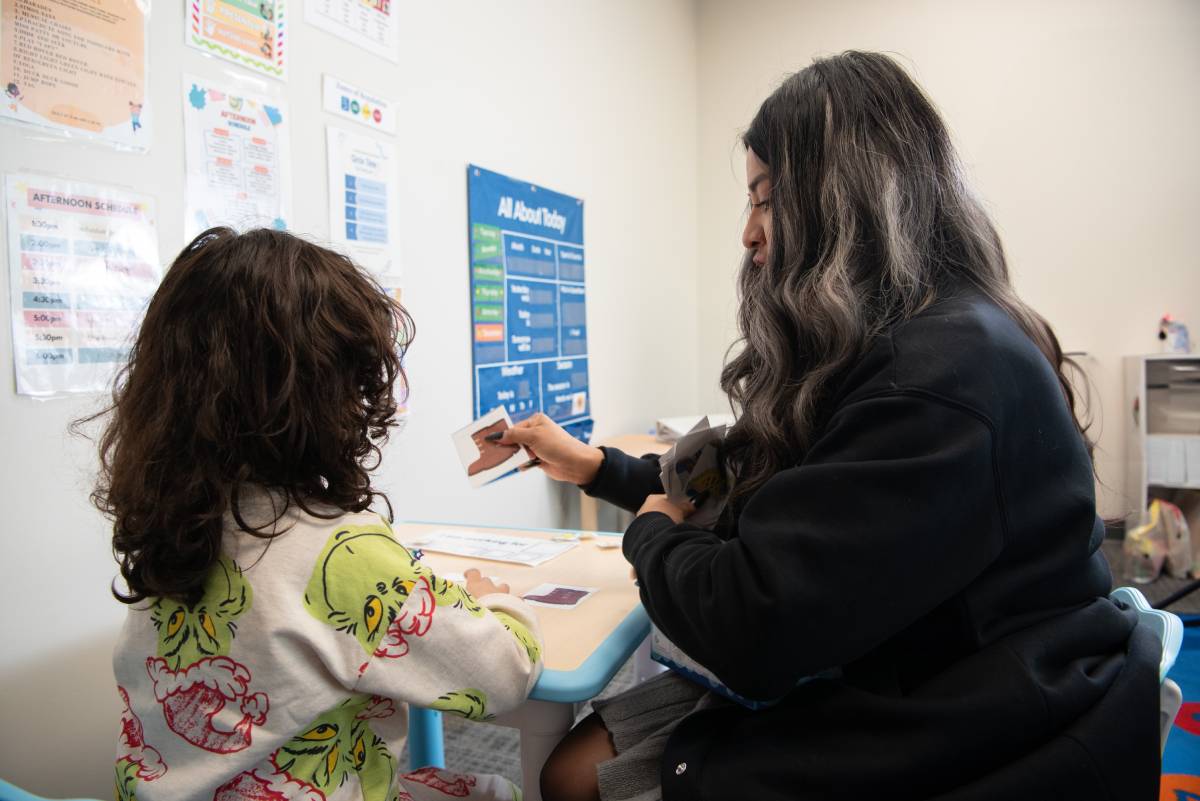
Next, the clinician will observe the child directly. This may include play-based interaction, structured tasks, and natural environment observation. The goal is to understand how the child communicates, learns, and responds to different situations.
Standardized tools may also be used to evaluate areas such as communication, adaptive behavior, and social skills.
After the assessment, the BCBA (Board Certified Behavior Analyst) develops a treatment plan that outlines:
• Skill-building goals
• Behavior support strategies
• Recommended therapy hours
• Parent involvement plans
This plan is then reviewed with the family to ensure clarity and collaboration.
Q&A Section
Q: What happens during an ABA assessment?
Caregiver interview, child observation, and standardized testing.
Q: How long does an ABA assessment take?
It may take several hours across one or more sessions.
Q: Do parents participate in the assessment?
Yes. Parent input is a key part of the process.
Q: What happens after the assessment?
A personalized treatment plan is created and reviewed with the family.