

Emotional regulation is the ability to understand, manage, and respond to emotions in a healthy way. For many autistic children, this skill must be explicitly taught because it does not always develop naturally or at the same pace as peers.
Difficulties with emotional regulation may be related to communication challenges, sensory sensitivities, or difficulty identifying internal emotional states. As a result, children may experience strong emotional reactions when overwhelmed or frustrated.
These reactions may include:
• Meltdowns or shutdowns
• Aggression or self-injury
• Crying or withdrawal
• Difficulty recovering after distress
These behaviors are not intentional—they are often signs of dysregulation and unmet needs.
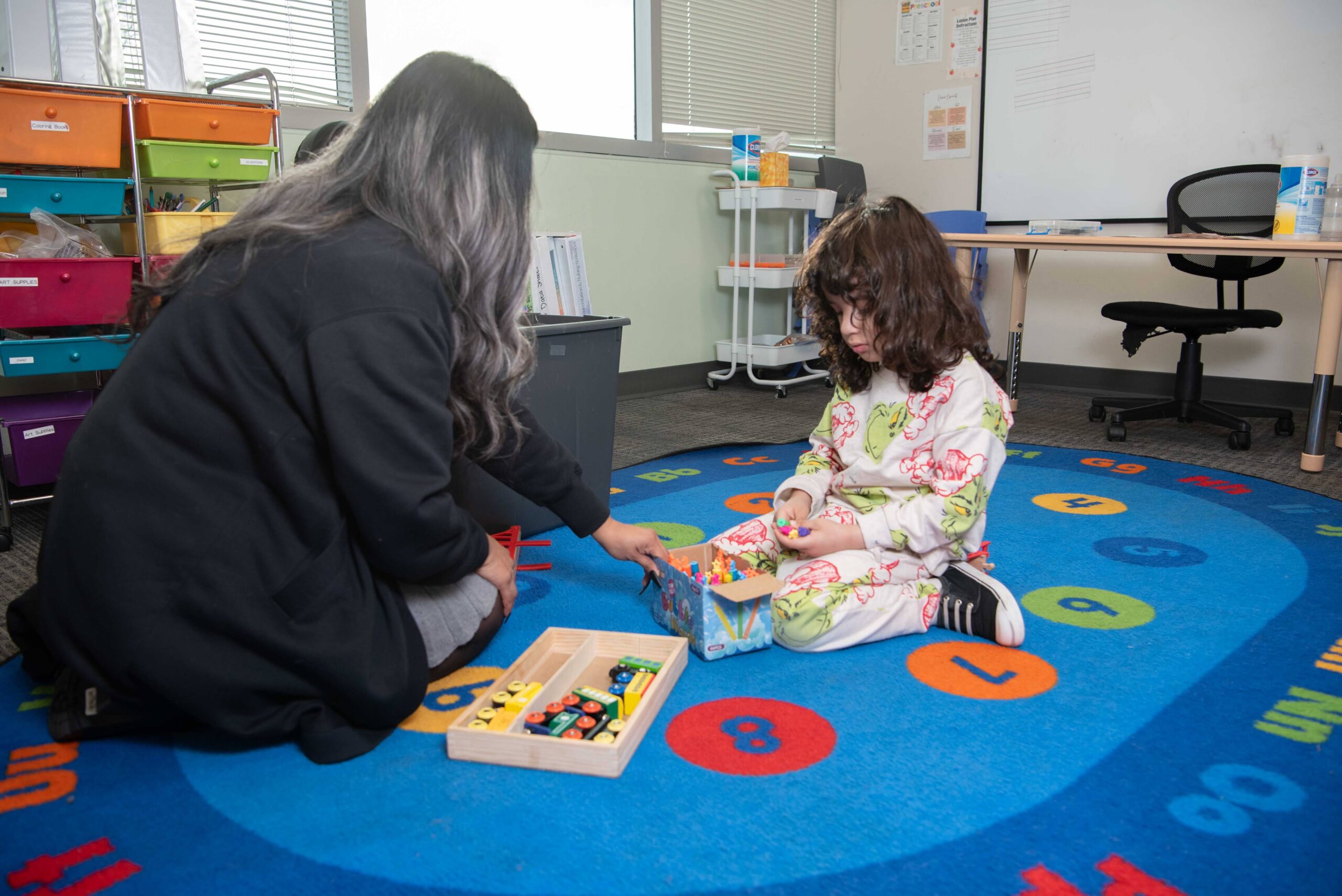
Teaching emotional regulation involves breaking the skill into manageable steps. This may include helping children identify emotions using visual supports, teaching coping strategies such as deep breathing or requesting breaks, and practicing calming routines in predictable settings.
ABA therapy supports emotional development by reinforcing calm behaviors, teaching replacement skills, and helping children learn what to do when they begin to feel overwhelmed. Parents are also coached on how to respond consistently, which is essential for skill generalization.
Over time, children learn not only how to regulate emotions but also how to recognize early signs of escalation and use tools proactively.
Q: What is emotional regulation?
It is the ability to manage emotions and respond appropriately to stress or frustration.
Q: Why do autistic children struggle with regulation?
Due to sensory, communication, and emotional processing differences.
Q: Can emotional regulation be taught?
Yes. It is a learned skill developed through structured teaching and practice.
Q: What helps with meltdowns?
Predictability, coping tools, communication supports, and consistent responses.